
Check that the lower piston of the air spring is seated in its pins and locks and the air line is routed correctly. Inflate the air spring only while the vehicle weight is supported. Tighten Voss fittings to maximum 2 Nm. When replacing a compressor, find the root cause, replace the relay and check the air filter.
Being the aftermarket air suspension specialist, Arnott is keen to make sure all installers feel confident and are well informed when carrying out an air suspension repair. In this article some valuable tips and tricks are highlighted per product category.
Air springs
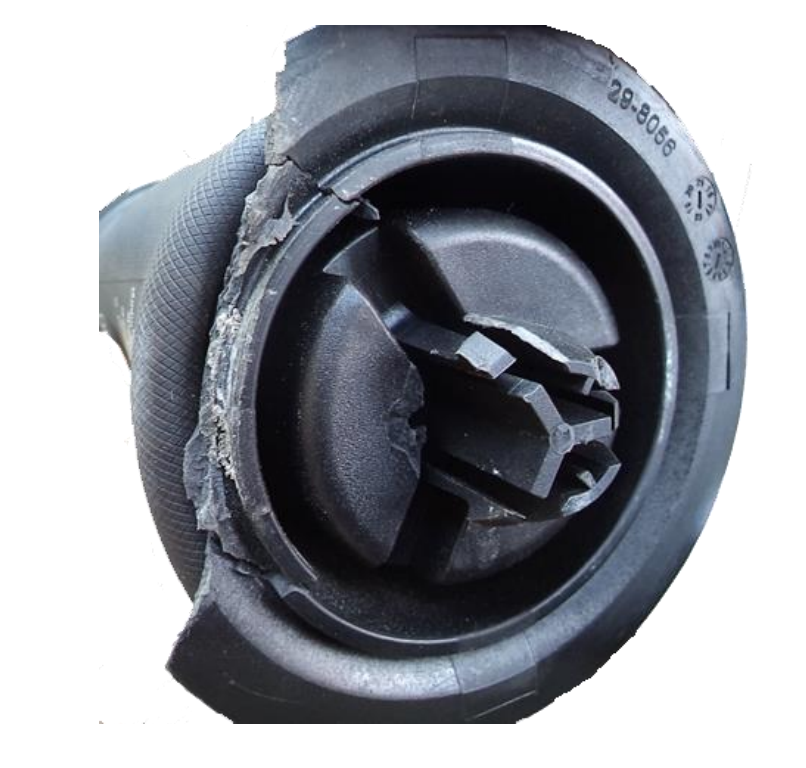
After installing an air spring, always make sure to double check that the lower piston is mounted correctly and seated/engaged in its mounting pins/locks. Otherwise, the lower piston can break, or the air spring can dislodge from its location.
Make sure the air line is properly placed and routed. Improper air line installation can cause the air line to get stuck between the air spring and chassis components (e.g. the inner wheel housing), making it impossible to deflate the air spring through the air line.
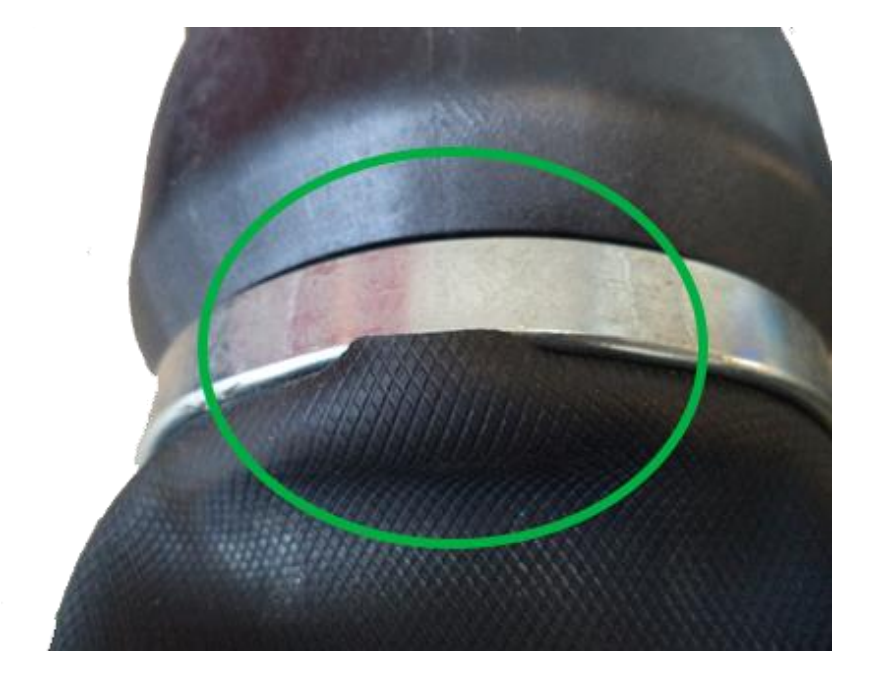
Always inflate the air spring whilst supporting the vehicle. If neglected the vehicle weight is unevenly distributed. Consequently, the air spring can bend during the air up procedure. This puts so much stress on the air sleeve that it could cause the bladder to be pulled out of the crimping ring.
When replacing an air spring, always make sure to thoroughly check the shock absorber as well. Be aware that the shock absorber is responsible for damping, not the air spring. When the damping force of the shock absorber is no longer sufficient, the air spring needs to absorb more of the impacts which is something it’s not made for. This can cause the lower piston to crack or break off.
Air struts
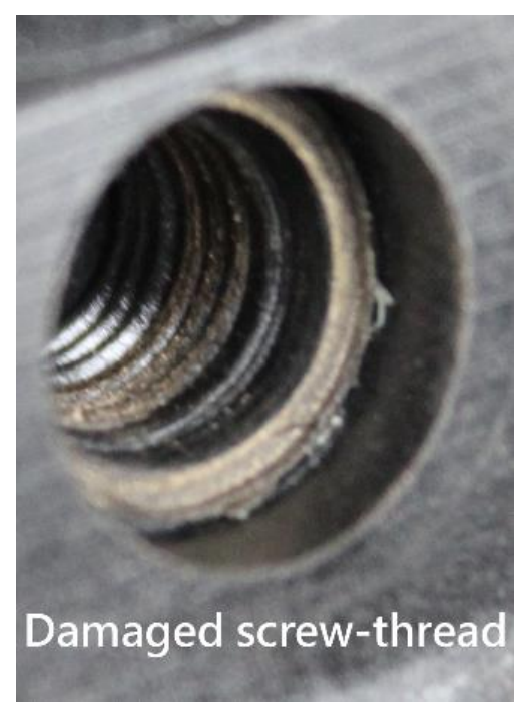
When installing the air line on an Arnott part, it is almost never necessary to remove or tighten the fitting. If removed, Arnott recommends tightening the Voss fitting with maximum 2Nm. When more torque is used, it can damage the screw-thread which will lead to the air spring leaking air on the fitting.
After installation, check if the wiring/connectors are positioned properly. Improper installation or loose connections can generate fault codes.
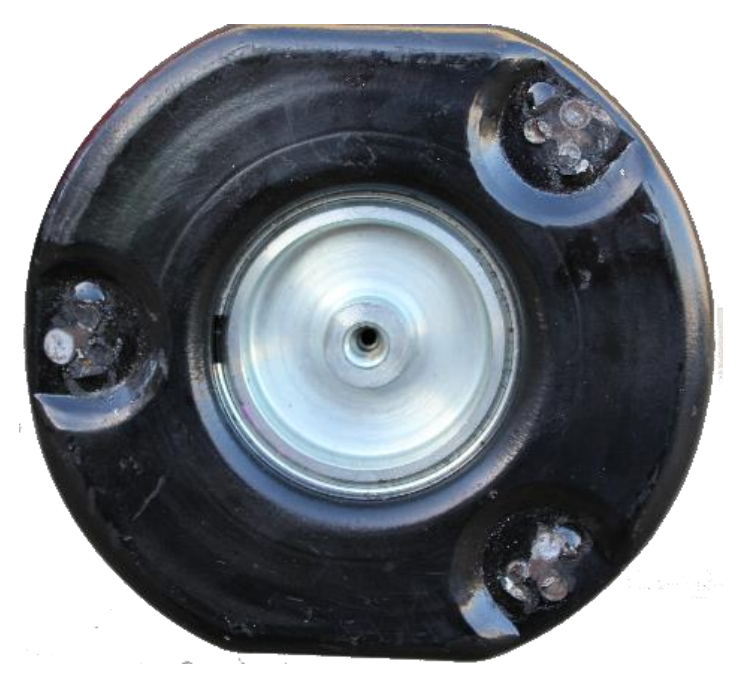
Tighten the top bolts with care and according to manufacturer’s specification. In general, Arnott would not recommend the use of pneumatic tools for this. Overtighten the bolts can damage the thread, or it can even break off.
Arnott delivers its air struts with the proper mounting nuts and bolts. Please use those to facilitate a smooth and easy installation.
Compressors
Compressor burn-out or overload is often a consequential damage which makes it crucial to check the air suspension system for possible leaks. Usually, it is easy to recognize if a compressor failed due to burn-out/overload because it smells burnt, the compressor labels have turned yellow due to the extensive heat and often the lines/connectors are partially melted as well.
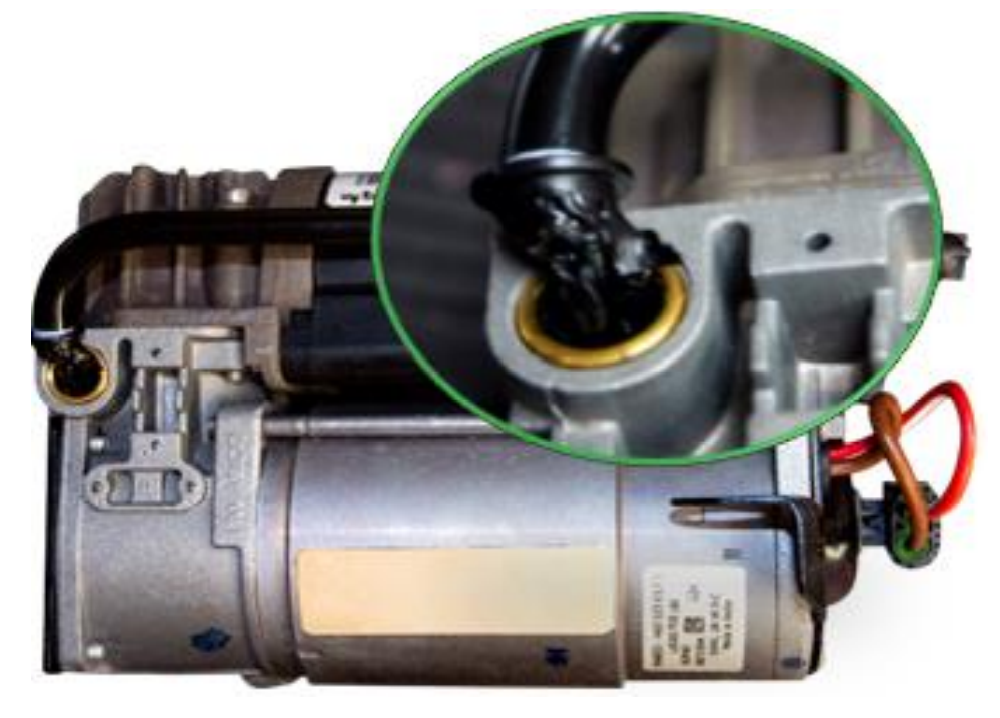
If this is the case, do not just install a new compressor but make sure to find the root cause. Otherwise, the new compressor will likely become defective in no time as well. When replacing a compressor always replace the relay as well and check or replace the air filter. The compressor is switched on and off by a relay that is controlled by the Electronic Control Unit (ECU). The relay can get sticky causing the compressor to continuously pump air. This will eventually lead to a burned-out compressor. The compressor sucks and ventilates air through its air filter. If the old compressor broke down due to water and/or dirt inside, it is likely that the air filter is contaminated. If only a new compressor is replaced in such case, the new compressor will suck in the existing water/debris.
After replacing the compressor, always check the condition of the inlet and intake hoses. An intake hose can dry out and become porous causing leakage and/or they break off from the compressor. In both situations this leads to water and dirt inside the compressor causing it to break down. If left unnoticed, it will also damage the new compressor beyond repair.
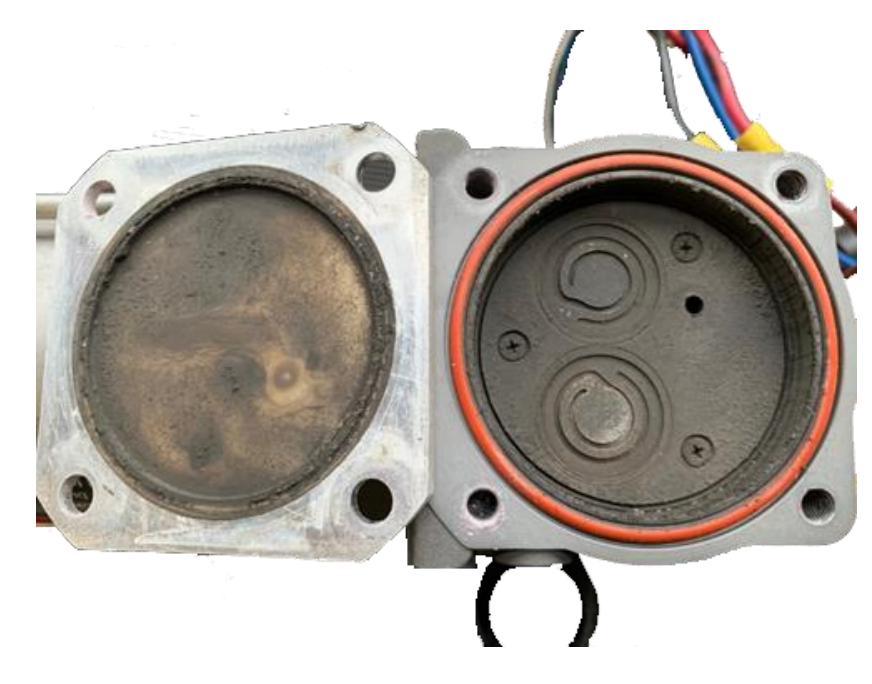
Don’t forget to check the wiring loom of the compressor for possible broken or cracked wires. A compressor can vibrate when in operation causing the wiring to wear out.
This information is provided to you by Arnott – Air Suspension Products. With more than 30 years of experience in engineering, designing, and manufacturing high quality air suspension components for the aftermarket, Arnott is the technical expert when it comes to air suspension systems. Arnott’s products are produced with high-quality, OE components offering exact form, fit and function. Each product is extensively tested in our American and European facilities and custom-tuned to suit the specific vehicle make and model before being produced.
Choose the right part
Frequently asked questions
How should an air spring be inflated during installation?
Always inflate the air spring while supporting the vehicle. Otherwise the weight is unevenly distributed and the air spring can bend, which puts so much stress on the air sleeve that the bladder can be pulled out of the crimping ring.
How tight should a Voss fitting be?
On an Arnott part it is almost never necessary to remove or tighten the fitting. If it has been removed, Arnott recommends maximum 2 Nm. More torque can damage the thread and make the air spring leak air at the fitting.
What should I do when replacing a burned-out compressor?
Do not just install a new compressor but find the root cause, otherwise the new one will likely become defective too. Replace the relay, check or replace the air filter, and check the inlet and intake hoses and the compressor wiring loom.
Why check the shock absorber when replacing an air spring?
The shock absorber is responsible for damping, not the air spring. When its damping force is no longer sufficient, the air spring has to absorb more of the impacts, which it is not made for, and the lower piston can crack or break off.
Find the right part for your car. Search by OE number or choose make and model.
Choose your make


